How Humidity Control Works With Your Tampa AC System
Published: 2026-04-28 · By UrbanFreeze Air Conditioning Repair
Imagine stepping into your home in Tampa after a long day, only to be met with a thick wall of humidity that clings to your skin. The warm air outside has seeped indoors, making your space feel more uncomfortable than the tropics. This is a common scenario during the humid months, and it poses a significant challenge for homeowners in our coastal city. Understanding how humidity control interacts with your air conditioning system can change your indoor environment for the better.
Why This Matters for Tampa Homeowners
Humidity levels in Tampa can soar during the summer months, making your air conditioning unit work harder to maintain a comfortable indoor climate. High humidity not only causes discomfort but can also lead to mold growth, structural damage, and accelerate the corrosion of your home's metal fixtures due to salt air. Over time, buildings in Tampa are particularly vulnerable to such conditions, as many homes are built with elevated foundations to combat flooding, making effective moisture management crucial.
Neglecting your system's humidity control can increase HVAC operational costs, especially in our tropical climate, where the unit must work overtime to combat both heat and moisture.
Humidity control is not just about comfort; it's about preserving the integrity of your home as well. Insufficient dehumidification can lead to issues such as peeling paint, warped wood, and even health problems due to mold spores in the air. In Tampa’s coastal environment, a well-functioning AC system is essential to mitigate these effects.
Expert Solutions & Actionable Tips
1. Regular Maintenance is Key
Schedule regular maintenance checks for your AC unit, ideally twice a year. In Tampa's humid climate, this proactive approach can prevent costly repairs caused by overworking units and buildup of mold. Depending on the service provider, costs can range from $75 to $200 per maintenance appointment.
Additionally, cleaning the evaporator and condenser coils is often included in maintenance to ensure efficient operation. This upkeep can extend the unit's lifespan and save you money in energy bills.
2. Invest in a Dehumidifier
Consider installing a whole-home dehumidifier to complement your AC system. These devices are designed to specifically target humidity, helping maintain ideal indoor levels. In Tampa, homeowners can expect installation costs starting around $1,200.
With a dehumidifier, your air conditioning unit won’t have to work as hard to reduce moisture, leading to decreased wear and tear over time.
3. Proper Insulation Matters
Ensure your home is well insulated, particularly around ducts and windows. This strategy can prevent warm, humid air from seeping indoors. Insulating your home correctly can cost anywhere from $2,000 to $5,000, depending on the size and type of your home.
In humidity-prone areas like Tampa, good insulation not only contributes to comfort but also enhances energy efficiency.
4. Use a Programmable Thermostat
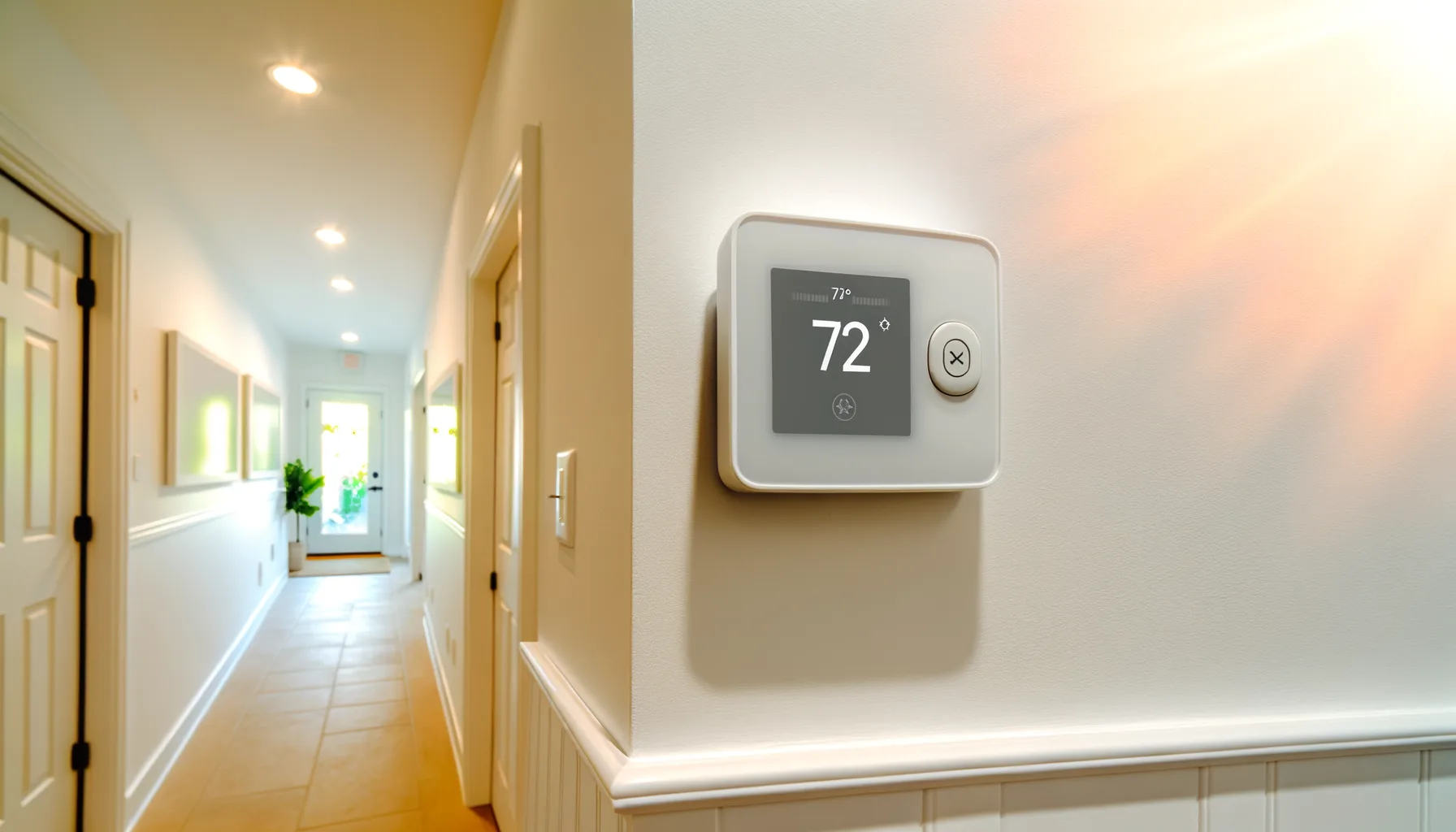
A programmable thermostat can help you manage humidity levels by allowing you to set your AC to run at optimal times. Smart thermostats are available starting from $100. They can also provide energy-saving incentives by adjusting temperatures based on your schedule.
This ensures that your system works efficiently when you're home and reduces operation during cooler, less humid times.
5. Check for Water Leaks
Regularly inspect your home for leaks, particularly around AC units and plumbing. Excess water can contribute to high humidity levels and mold growth. A simple plumbing check can help, often costing just a few hundred dollars.
Addressing leaks promptly can prevent larger, more hazardous issues, especially in Tampa’s humid climate.
6. Consider Variable Speed AC Systems
If you're in the market for a new air conditioning unit, explore variable speed models. These are designed to adjust cooling based on the humidity and temperature levels, which can improve comfort significantly. Prices often start around $3,000 for installation.
Investing in such technology may seem costly but can lead to significant savings in energy costs and enhance your home's comfort year-round.
Tampa Climate & Local Context
Tampa's climate is characterized by long, humid summers and mild winters, presenting unique challenges for homeowners, especially regarding air conditioning repair. The local building stock often includes elevated homes which are designed to withstand flooding, but moisture barriers are still essential in managing indoor humidity levels. Many homes are subjected to the corrosive effects of salt air, accelerating the deterioration of metal components, which necessitates timely HVAC maintenance.
Understanding local code considerations is also vital. Permits may be required for major HVAC alterations to ensure your system complies with Tampa's building regulations, especially for coastal properties that are more exposed to harsh weather conditions.
When to Call a Professional
Determining when to tackle air conditioning issues yourself versus calling in a professional can be tricky. Homeowners must assess their comfort level with DIY repairs and the complexity of the problem. Simple fixes, such as changing filters, are manageable, but other scenarios demand expert help.
- Air conditioning unit fails to turn on
- Unusual noises or vibrations from the AC unit
- Inconsistent cooling between rooms
- Unpleasant odors emanating from the unit
- High energy bills with no clear reason
- Signs of water leaks around or under the system
If a problem seems beyond your experience, it’s wise to call UrbanFreeze Air Conditioning Repair in Tampa. Our technicians possess the know-how to diagnose and remedy complications efficiently.
Frequently Asked Questions
What is the average lifespan of an air conditioning unit in Tampa?
The average lifespan of an air conditioning unit in Tampa is around 10 to 15 years, largely influenced by our humid conditions and maintenance frequency.
How often should I change my AC filter?
In Tampa’s humid climate, it’s recommended to change your AC filter every 1 to 3 months to ensure optimal airflow and efficiency.
What are the signs of mold growth in my AC system?
Signs of mold growth may include musty odors, visible mold on ducts or vents, and increased health issues like allergies. Regular inspections can help detect these problems.
Can I install a dehumidifier myself?
While homeowners with experience can install some dehumidifiers, it’s often best to hire a professional to ensure proper integration with your AC system for maximum efficiency.
What is the best way to prepare my AC for the summer?
The best way to prepare your AC for summer is to schedule a professional inspection, clean or replace filters, and ensure that the drain lines are clear to prevent flooding.
Get Expert Air Conditioning Repair Service in Tampa
If you're ready to tackle humidity challenges in your Tampa home, don’t hesitate to reach out to UrbanFreeze Air Conditioning Repair. Our experts are just a call away and can help optimize your AC system for the unique demands of our climate.
Call us today at (656) 254-5642 to learn more about how to handle humidity control effectively!